
Blog
Neutralising threats in the nuclear power and industry sector
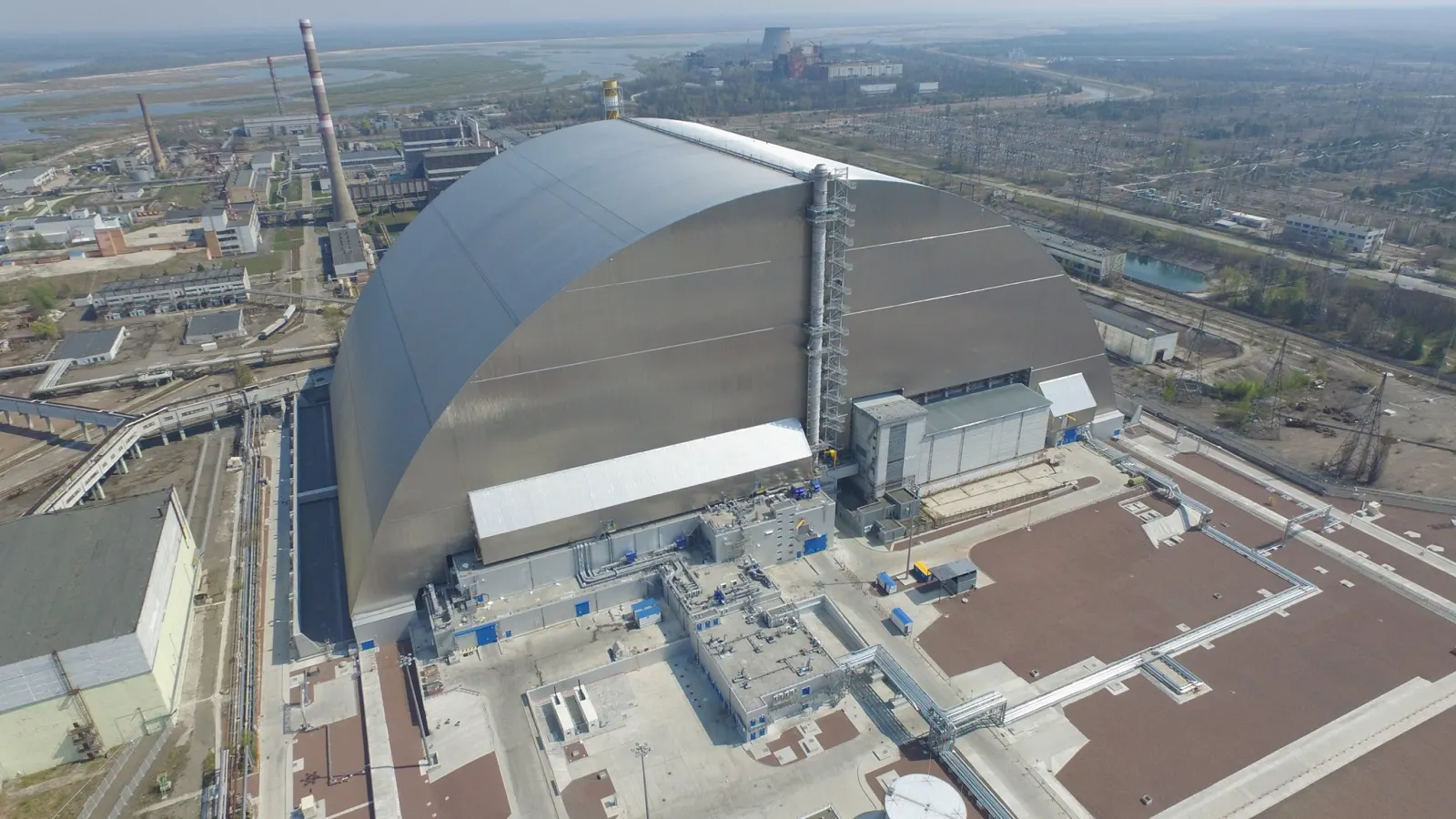
On 29 January 2021, President Volodymyr Zelenskyy signed Decree No. 35/2021, which enacted the decision of the National Security and Defence Council of Ukraine of 29 January “On Measures to Neutralise Threats in the Nuclear Power and Industry Sector”.
“Having considered a range of issues relating to the state of affairs in the nuclear power and industry sector, and with a view to improving the effectiveness of state policy on energy security, the National Security and Defence Council of Ukraine has decided” – this is how the Presidential Decree begins, and indeed the effective functioning of nuclear power has always been a matter of strategic national importance for Ukraine.
Commentary by Serhii Mazur, Director of Keentegro, national and international expert in CBRN security: “This is indeed a very pressing issue for Ukraine. Ukraine’s energy independence and self-sufficiency have always been regarded as one of the integral elements of the country’s independence. In today’s world, the energy independence of any country is already considered on a par with territorial, military and geopolitical security. Of course, when it comes to Ukraine’s nuclear power, the first thing that comes to mind for a foreigner or a Ukrainian citizen is the Chornobyl disaster. Yet few people know that Ukraine has a powerful nuclear power sector and industry. It is no exaggeration to say that Ukraine holds a leading position in Europe in terms of the number of NPPs built (Ukraine operates four NPPs in total: Zaporizhzhia, Rivne, South Ukraine and Khmelnytskyi), while the fact that the largest NPP in Europe is our Zaporizhzhia NPP in Enerhodar (Zaporizhzhia Oblast, Ukraine), which operates six nuclear reactors with a total installed capacity of 6 GW, is known to very few. So why has the NSDC adopted a decision aimed specifically at neutralising threats in the nuclear power and industry sector now? An analysis of the NSDC decision leads to the disappointing conclusion that the state’s main areas of concern are the management of radioactive waste and spent sources of ionising radiation from the power units of the country’s operating nuclear power plants. Indeed, Ukraine has lost a great deal of time and is making very slow progress in building and commissioning the relevant facilities, as well as in financing them and putting the legislation in place. There are many reasons for this, but the main ones are a lack of adequate funding and a high level of corruption in this sector, as evidenced by the constant scandalous changes in the leadership of the responsible bodies. Further delay could lead to irreversible environmental and economic consequences.
The situation at the Prydniprovsky Chemical Plant production association (Kamianske, Dnipropetrovsk Oblast) continues to receive undeservedly little attention in the country. From 1949 to 1991, the Prydniprovsky Chemical Plant processed uranium ores from all deposits of the former Soviet Union and the countries of the socialist bloc to produce uranium oxide concentrate. Over the years of the production association’s operation, a significant amount of waste containing elevated concentrations of natural radionuclides of the uranium-thorium series accumulated in ravines and gullies and on the upper terrace of the Dnipro River. As a result of these activities, seven tailings facilities and two uranium production waste storage facilities were created with a total area of 2,680,000 m², holding about 42.33 million tonnes of waste with a total activity of about 3.14 × 10¹⁵ Bq. Today, the main sites where uranium production waste is concentrated within the southern sector of the production association’s territory remain the Zakhidne, Tsentralnyi Yar and Pivdenno-Skhidne tailings facilities, and outside it the Dniprovske and Sukhachivske (sections I and II) tailings facilities and the Baza S, DP-6 and Lanthanum Fraction storage facilities. Moreover, the tailings facilities are not the only sites of elevated radiation risk within the production association’s territory: surveys of contamination in the former main production workshops show that they contain significant volumes of dry residues of radioactively contaminated solutions and finished products of the former uranium production (yellowcake).
Our company is actively involved in the implementation of the international technical assistance project funded by the EU, No. 21-18/14636 of 31.12.18, at the site of Barrier SE (formerly PChP). The following scope of work is planned by the end of this year
- arrangement of controlled zones by clearing shrubs, removing rubbish and installing temporary fencing with sanitary checkpoints
- protective façade works on buildings 103 and 104, to be carried out from the outside without personnel entering these buildings
- arrangement of a temporary storage area for special containers holding radioactively contaminated material.
I hope that the NSDC decision approved by the President will indeed ensure the funding and full implementation of the measures set out in the State Targeted Environmental Programme of Priority Measures to Bring the Facilities and Site of the Former Uranium Production of the Prydniprovsky Chemical Plant Production Association into a Safe Condition in 2019–2023, approved by Resolution of the Cabinet of Ministers of Ukraine No. 756 of 21 August 2019, which unfortunately has still not received adequate funding.”
